The movies that fill a 21:9 display
Scope and 21:9 are the same frame: zero black bars.
The aspect ratio of a 21:9 display at 3440×1440 is exactly 2.389:1. Modern scope, for its part, sits between 2.35:1 and 2.40:1. The coincidence isn't one: this screen format was designed for cinema, and the leftover difference amounts to a few pixels, invisible to the naked eye.
In practice, the movies on this list fill the entire panel, without a single black bar at the top, at the bottom or on the sides. It's the most concrete argument for a 21:9 if you watch a lot of movies: no other consumer screen geometry does this well.
The fill rate given for each title is calculated, never estimated: it's the movie's actual aspect ratio divided by the screen's.
-
1
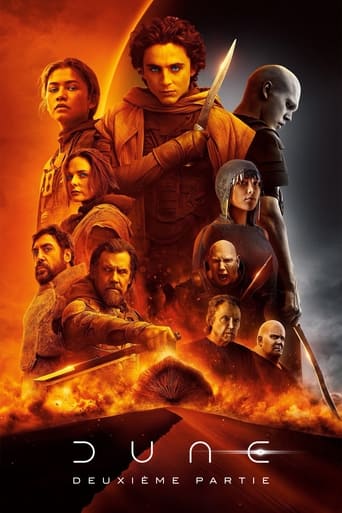
Dune : Deuxième Partie 2024
2.39:1 21:9 · Excellent 100% in 21:9 · 67% in 32:9Like the first installment, the film uses IMAX 65mm cameras for certain scenes but is cropped to a constant 2.39:1 on Blu-ray, UHD, and streaming. Observers have calculated that this costs home viewers roughly 40% of the original IMAX image.
-
2

Spider-Man: Across the Spider-Verse 2023
2.39:1 21:9 · Excellent 100% in 21:9 · 67% in 32:9The film is mastered in 2.39:1 scope, a format that plays up its comic-book look and horizontal compositions. Unlike other Marvel blockbusters, the image does not actually open up in IMAX: the filmmaking instead works with shifting black bars that change with each universe visited.
-
3

Top Gun: Maverick 2022
2.39:1 21:9 · Excellent 100% in 21:9 · 67% in 32:9To immerse viewers in the fighter cockpits, the production used onboard IMAX cameras, which widen the frame during the flight sequences compared with the scope ratio used for the rest of the film. That variation, rare for a mainstream blockbuster not directed by Nolan, is well preserved on home formats.
-
4

Dune 2021
2.39:1 21:9 · Excellent 100% in 21:9 · 67% in 32:9Partly shot with IMAX cameras, the film nonetheless holds a constant scope frame in theaters as well as on video. Villeneuve deliberately cropped the IMAX material (1.43:1 and 1.90:1) to 2.39:1 for the disc release, considering the IMAX experience something specific to the theater.
-
5
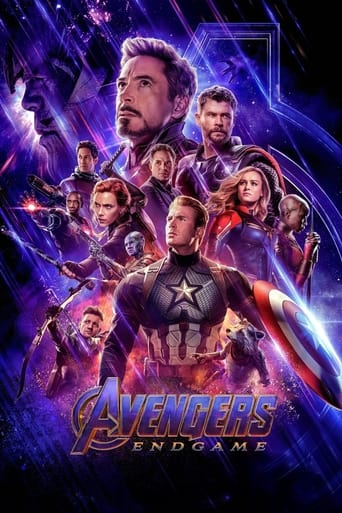
Avengers: Endgame 2019
2.39:1 21:9 · Excellent 100% in 21:9 · 67% in 32:9Shown at 2.39:1 in most conventional theaters, Avengers: Endgame was shot with IMAX cameras that open certain shots up to roughly 1.90:1, closer to square, for equipped venues. Disney's first 4K Blu-ray offered only the 2.39:1 framing, until Disney+ added the expanded IMAX version in 2021 for households with a large display.
-
6

Spider-Man: Into the Spider-Verse 2018
2.39:1 21:9 · Excellent 100% in 21:9 · 67% in 32:9Released and issued on video at 2.39:1 scope, the standard for 2010s action animation. Sony used internal framing shifts, comic-panel style, to mark the breaks between dimensions, a visual device that stays within the bounds of the master ratio.
-
7
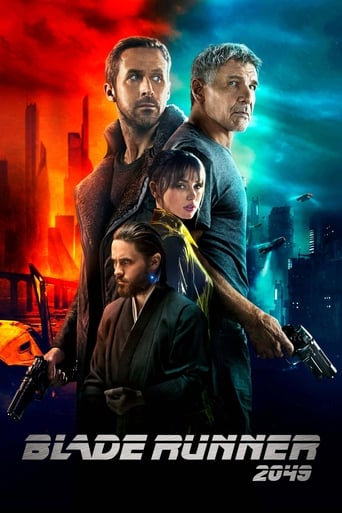
Blade Runner 2049 2017
2.39:1 21:9 · Excellent 100% in 21:9 · 67% in 32:9Roger Deakins photographed the film in constant 2.39:1 anamorphic scope, a classic choice for spectacle science fiction that showcases the very wide compositions and dystopian cityscapes. There are no IMAX sequences and no changes in framing: the ratio is identical in theaters and on every home video release.
-
8

Arrival 2016
2.39:1 21:9 · Excellent 100% in 21:9 · 67% in 32:9Cinematographer Bradford Young captured the film digitally on the Arri Alexa in open gate mode, framed for 2.39:1 without anamorphic lenses. Despite the film's intimate, contemplative tone, that scope ratio holds from start to finish, with no IMAX sequences and no variation.
-
9
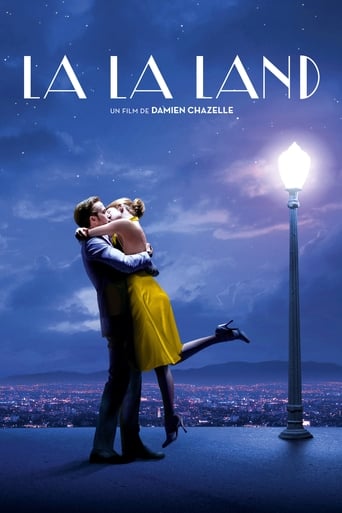
La La Land 2016
2.55:1 21:9 · Excellent 100% in 21:9 · 72% in 32:9Chazelle and cinematographer Linus Sandgren shot in true 2.55:1 CinemaScope, a 1950s ratio all but abandoned today, as a direct nod to classic Hollywood musicals. That rare format is preserved on every home video release.
-
10

Mad Max: Fury Road 2015
2.39:1 21:9 · Excellent 100% in 21:9 · 67% in 32:9The film uses a wide, constant 2.39:1 scope ratio, in keeping with the tradition of western-style action and chase movies, to emphasize the horizontality of the desert pursuits. There are no separate IMAX sequences: the framing never varies, in theaters or on video.
-
11

Sicario 2015
2.39:1 21:9 · Excellent 100% in 21:9 · 67% in 32:9Photographed by Roger Deakins in constant 2.39:1 scope, the film uses the wide frame for its sweeping views of the border desert and its signature aerial shots. There are no IMAX sequences and no change of ratio: the framing stays identical from start to finish, in theaters and on video.
-
12

Interstellar 2014
2.39:1 21:9 · Excellent 100% in 21:9 · 67% in 32:9Nolan deliberately alternates between classic scope and IMAX to give greater scale to the space sequences and the key scenes. That visual breathing room, where the image literally grows, is reproduced on the home video releases.
-
13
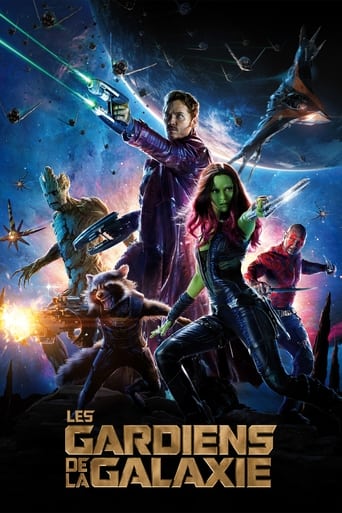
Les Gardiens de la Galaxie 2014
2.39:1 21:9 · Excellent 100% in 21:9 · 67% in 32:9The film screens at 2.39:1 in conventional theaters, but James Gunn designed sequences that open up to 1.90:1 in IMAX venues, a first for a Marvel blockbuster in 2014. The standard Blu-ray kept only the scope framing; the expanded version was later added on Disney+ in 2021 for households with a widescreen display.
-
14
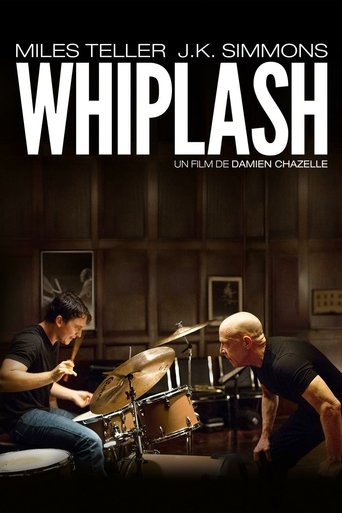
Whiplash 2014
2.39:1 21:9 · Excellent 100% in 21:9 · 67% in 32:9Cinematographer Sharone Meir framed the film in 2.39:1 scope (sometimes listed as 2.40:1), a broad format that contrasts with the intimate, confined subject of the rehearsal sessions in the music studio. The ratio is unchanged from the shoot through to the 4K UHD releases.
-
15
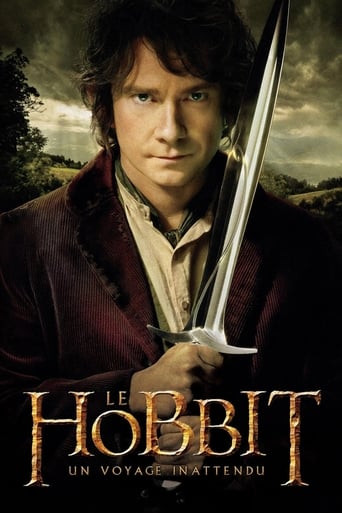
Le Hobbit : Un voyage inattendu 2012
2.39:1 21:9 · Excellent 100% in 21:9 · 67% in 32:9Shot digitally at 48 frames per second for its High Frame Rate version, The Hobbit holds a fixed 2.39:1 frame from start to finish, with no change of ratio between the 24 and 48 fps sequences. The various releases (Blu-ray, DCP, 4K) keep the same scope format.
-
16
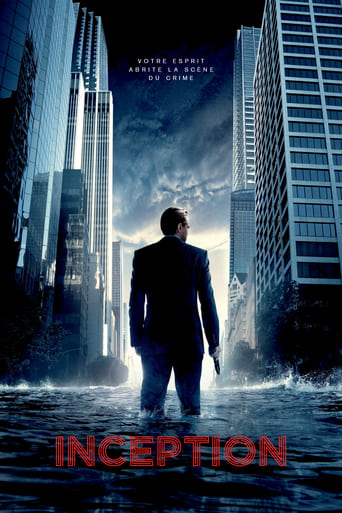
Inception 2010
2.39:1 21:9 · Excellent 100% in 21:9 · 67% in 32:9Unlike his later films, Nolan deliberately avoided IMAX cameras here, judging them too heavy for the dreamlike staging he was after; the shoot combined 35mm anamorphic, 65mm, and VistaVision, but the final frame remains a constant 2.39:1 scope. The film played IMAX theaters via a digital blow-up, with no change of format.
-
17
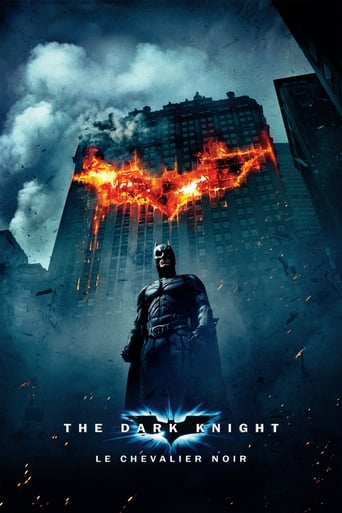
The Dark Knight 2008
2.39:1 21:9 · Excellent 100% in 21:9 · 67% in 32:9This is where Nolan introduced his signature expanding frame, opening the image up for the action and suspense scenes shot in IMAX before returning to classic scope for the dialogue. It was the first film to preserve that variation on home formats.
-
18
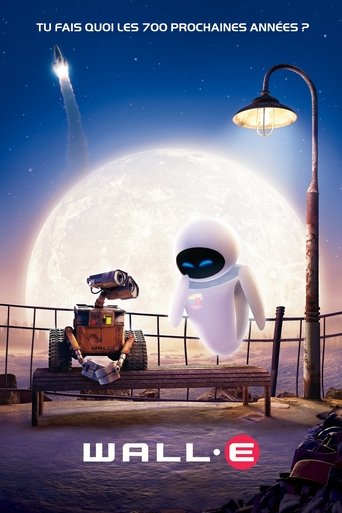
Wall-E 2008
2.39:1 21:9 · Excellent 100% in 21:9 · 67% in 32:9Pixar made a rare exception with WALL-E, choosing 2.39:1 CinemaScope to heighten the sense of emptiness and solitude on an abandoned Earth. The ratio has remained the same on every home video release, including the Criterion Blu-ray.
-
19

No Country for Old Men 2007
2.39:1 21:9 · Excellent 100% in 21:9 · 67% in 32:9Roger Deakins photographs the film's Texas expanses in 2.39:1 scope, a format that heightens the emptiness and the diffuse menace of the desert landscapes. The ratio has been constant from the theatrical release through to the most recent Criterion 4K editions.
-
20
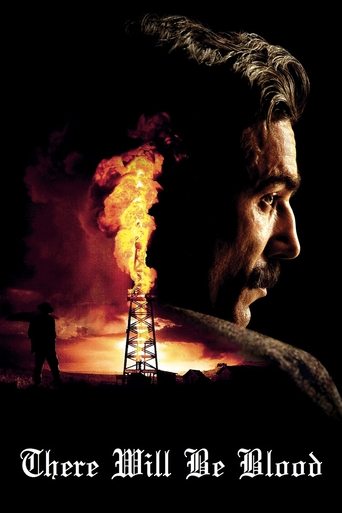
There Will Be Blood 2007
2.39:1 21:9 · Excellent 100% in 21:9 · 67% in 32:9Anderson and cinematographer Robert Elswit shot in Panavision anamorphic, using the 2.39:1 ratio to magnify the arid California landscapes and the solitary figure of Daniel Plainview. That ratio is identical on every home video release since the original release.
-
21
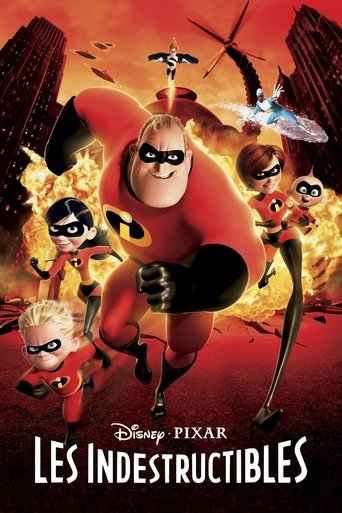
Les Indestructibles 2004
2.39:1 21:9 · Excellent 100% in 21:9 · 67% in 32:9Brad Bird opted for 2.39:1 CinemaScope, a rarity at Pixar at the time, to give the film a sweep close to that of the retro 1960s spy pictures that inspired him. The ratio stayed the same in theaters and on home video, with no alternate version.
-
22
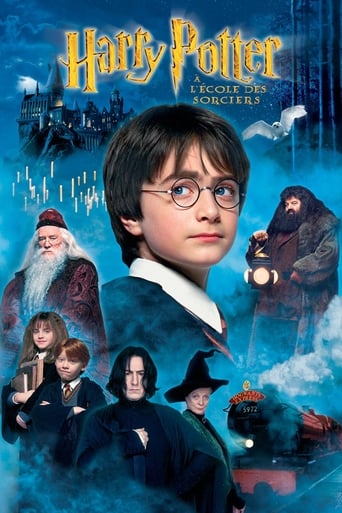
Harry Potter à l'école des sorciers 2001
2.39:1 21:9 · Excellent 100% in 21:9 · 67% in 32:9The first installment of the Harry Potter saga was shot and projected in 2.39:1 anamorphic scope, a choice that gives full scale to the Hogwarts castle sets and the crowd shots. The aspect ratio has remained the same across the DVD, Blu-ray, and 4K releases.
-
23
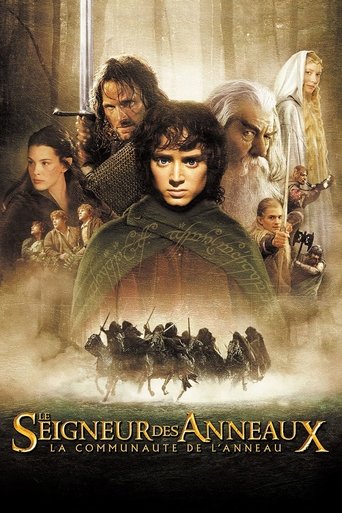
Le Seigneur des Anneaux : La Communauté de l'Anneau 2001
2.39:1 21:9 · Excellent 100% in 21:9 · 67% in 32:9Shot in Panavision anamorphic, the film uses a constant 2.39:1 scope ratio to convey the scale of the New Zealand landscapes and the Middle-earth sets. There is no IMAX footage and no shift in ratio between scenes.
-
24
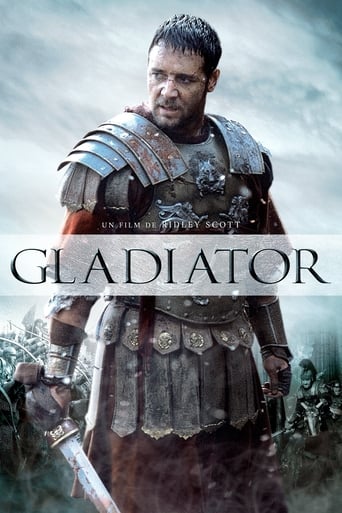
Gladiator 2000
2.39:1 21:9 · Excellent 100% in 21:9 · 67% in 32:9Shot in spherical Super 35 and then cropped to scope, the film uses a classic 2.39:1 widescreen ratio typical of large historical epics and sword-and-sandal pictures, showcasing the battles and the arenas. There is no IMAX footage and no change of ratio: the framing is the same in theaters and on every home video release.
-
25
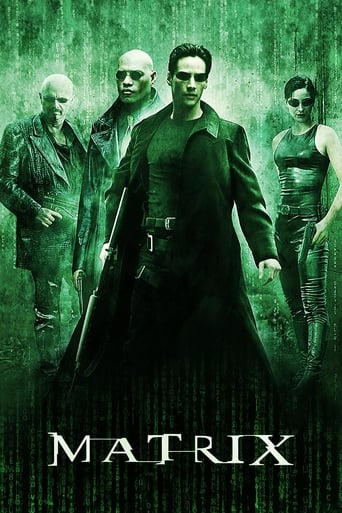
Matrix 1999
2.39:1 21:9 · Excellent 100% in 21:9 · 67% in 32:9The film uses a constant 2.39:1 anamorphic scope ratio, consistent with its highly graphic cyberpunk look and the wide shots of its choreographed action scenes. No sequence was shot in another format, and the frame never changes.
-
26
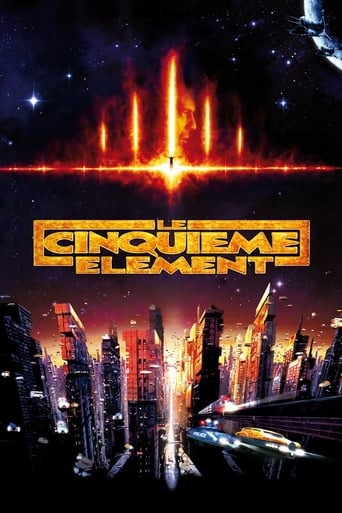
Le Cinquième Élément 1997
2.39:1 21:9 · Excellent 100% in 21:9 · 67% in 32:9Luc Besson shot The Fifth Element in 2.39:1 anamorphic scope, a format that serves the scale of the futuristic New York sets and the spacecraft. The ratio has stayed the same from the theatrical release through today's 4K Ultra HD editions, with no known alternate version.
-
27
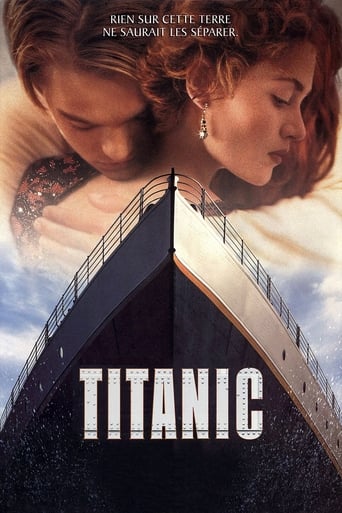
Titanic 1997
2.39:1 21:9 · Excellent 100% in 21:9 · 67% in 32:9Shot in Super 35 and then cropped to 2.39:1 for its theatrical run, Titanic also exists in a tighter 1.78:1 version on some home video releases designed for 16:9 televisions. The scope ratio remains the reference, however, for conveying the scale of the liner and the sinking scenes.
-
28
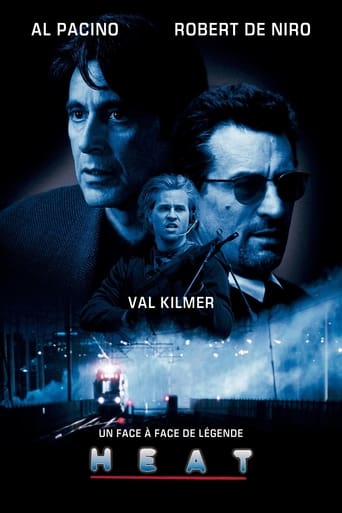
Heat 1995
2.39:1 21:9 · Excellent 100% in 21:9 · 67% in 32:9Michael Mann films nighttime Los Angeles in 2.39:1 scope, a format that showcases the lines of the city and the famous street shootout. The ratio is preserved on every release, including the 2022 4K edition.
-
29
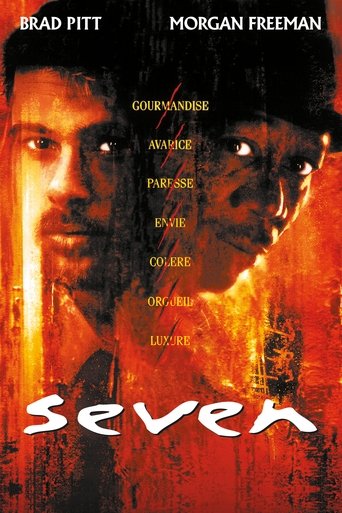
Seven 1995
2.39:1 21:9 · Excellent 100% in 21:9 · 67% in 32:9Fincher chose the 2.39:1 scope format to establish the film's rainy, oppressive urban atmosphere, with carefully worked chiaroscuro compositions. The ratio was left untouched for the 4K remaster Fincher supervised in 2024.
-
30

Pulp Fiction 1994
2.39:1 21:9 · Excellent 100% in 21:9 · 67% in 32:9Shot in Panavision anamorphic by Andrzej Sekula, the film uses the 2.39:1 scope format characteristic of Tarantino's productions, an open homage to 1970s genre cinema. That constant composition is identical in theaters, on Blu-ray, and in streaming.
-
31
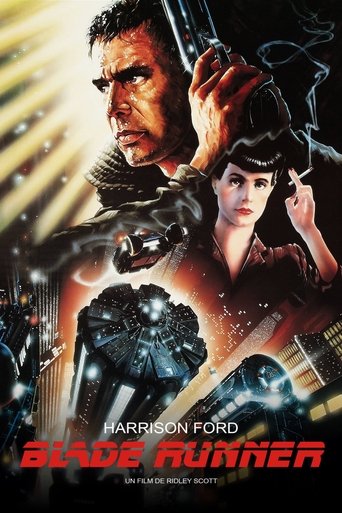
Blade Runner 1982
2.39:1 21:9 · Excellent 100% in 21:9 · 67% in 32:9Shot in Panavision anamorphic, the film uses the 2.39:1 scope format for its neon-saturated future Los Angeles. The ratio is the same across the 1982 theatrical version, the Director's Cut, and the 2007 Final Cut.
-
32

Indiana Jones et les Aventuriers de l'arche perdue 1981
2.39:1 21:9 · Excellent 100% in 21:9 · 67% in 32:9Shot in Panavision anamorphic, Raiders of the Lost Ark was projected at 2.39:1 in most theaters, with a few 70mm prints cropped to 2.20:1 for its original 1981 release. Modern home video releases uniformly use 2.39:1.
-
33
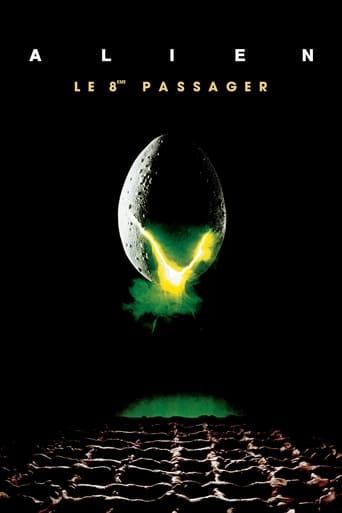
Alien 1979
2.39:1 21:9 · Excellent 100% in 21:9 · 67% in 32:9Shot in Panavision anamorphic by Derek Vanlint, the film uses 2.39:1 scope for the Nostromo's oppressive corridors and its menacing shadows. The ratio is constant on every release, including the 2019 4K restoration.
-
34
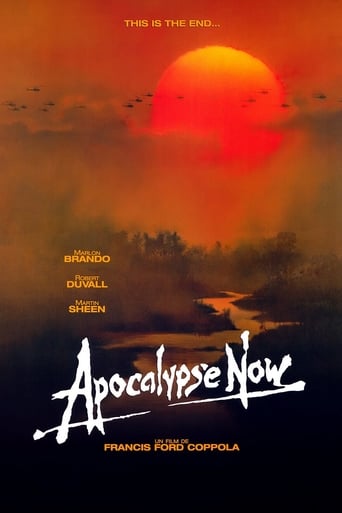
Apocalypse Now 1979
2.39:1 21:9 · Excellent 100% in 21:9 · 67% in 32:9Shot in Technovision anamorphic by Vittorio Storaro, the film exploits a 2.39:1 panoramic format for its jungle landscapes and spectacular battle scenes, the helicopter assault above all. The ratio is unchanged between the original version and Apocalypse Now Redux.
How this list is built
It keeps the movies whose calculated fill rate on a 3440×1440 display reaches at least 98.5%. The individual statuses (format support, cutscenes, mod required) are explained on the Method page. Each entry links to its full French page, which carries its sources — English versions are on the way.