The movies that leave black bars on an ultrawide display
1.85:1, 1.66:1, 4:3: frames designed for a different screen than yours.
Not every movie is shot in scope, and that's just as well. 1.85:1 is still the standard format for a large share of production, 1.66:1 was the European norm for decades, and some directors deliberately pick a boxy frame to hem their characters in. Those choices are artistic, not technical.
On an ultrawide display they still translate into wide black bars on either side: a 1.85:1 movie covers only 77% of the width of a 21:9, and barely more than half of a 32:9. The image stays perfectly watchable, just smaller than the panel.
So this list isn't a quality ranking — it includes some of the greatest movies ever shot. It's practical information: if you're picking a display mainly for movies, know what you'll be looking at.
-
1

Mommy 2014
1:1 21:9 · Avoid 42% in 21:9 · 28% in 32:9Xavier Dolan deliberately confines his characters in a square 1:1 frame, a visual symbol of their social and familial suffocation, before letting the frame open briefly during scenes of hope. The device is identical in theaters and on video.
-
2
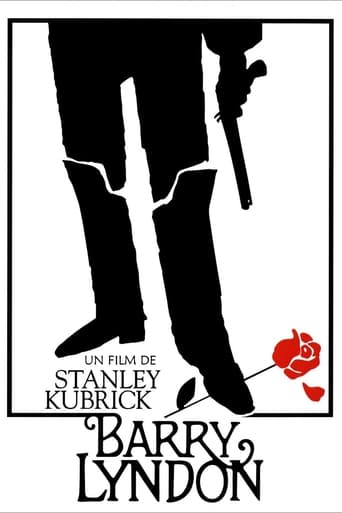
Barry Lyndon 1975
1.66:1 21:9 · Avoid 69% in 21:9 · 47% in 32:9Kubrick explicitly asked for the European 1.66:1 ratio, closer to the frame of the old master paintings behind John Alcott's photography. Some American home video releases from the 2000s nonetheless circulated at 1.78:1 before Warner restored the original 1.66:1 on recent Blu-ray editions.
-
3

Avatar 2009
1.78:1 21:9 · Avoid 75% in 21:9 · 50% in 32:9The film had several theatrical presentations depending on the format: 2.39:1 in standard 2D and 1.85:1 in IMAX/3D. For the home video release, Cameron personally chose to keep the 1.78:1 (16:9) framing, judging it best suited to home viewing.
-
4
Toy Story 1995
1.78:1 21:9 · Avoid 75% in 21:9 · 50% in 32:9The first entirely computer-animated feature, Toy Story was initially rendered in 1.66:1 before Pixar and John Lasseter adjusted the theatrical presentation to 1.78:1, splitting the difference between the original 1.85:1 ambition and the native framing. The Blu-ray releases carry over that 1.78:1 format, now very close to the 16:9 of televisions, so there are no pronounced black bars on a modern widescreen display.
-
5

Avatar : La Voie de l'eau 2022
1.85:1 21:9 · Avoid 77% in 21:9 · 52% in 32:9Like the first film, this one played theatrically at different ratios depending on the technology (up to a cropped 2.39:1 in 2D), but the Blu-ray, 4K, and Disney+ releases all use the native 1.85:1 framing with no internal variation. That ratio, closer to square than most blockbusters, reflects Cameron's consistent preference for 3D.
-
6

Everything Everywhere All at Once 2022
1.85:1 21:9 · Avoid 77% in 21:9 · 52% in 32:9Cinematographer Larkin Seiple used different aspect ratios to distinguish the multiverses, a rare narrative device that ties the format to the character's emotional state. The variation is embraced as a storytelling tool rather than a technical constraint, and it is faithfully reproduced on video.
-
7
Joker 2019
1.85:1 21:9 · Avoid 77% in 21:9 · 52% in 32:9Cinematographer Lawrence Sher chose a tighter 1.85:1 rather than the scope ratio usual for superhero films, in order to heighten the psychological intimacy of the Arthur Fleck portrait. The ratio is constant, with no IMAX sequences and no changes in framing.
-
8

Parasite 2019
1.85:1 21:9 · Avoid 77% in 21:9 · 52% in 32:9Unlike most Korean thrillers, which are shot in scope, Bong Joon-ho and cinematographer Hong Kyung-pyo chose the tighter 1.85:1 ratio, which emphasizes the verticality of the staircases and basements that stand in for social class. The format is the same in theaters, on Blu-ray, and on streaming platforms.
-
9
Vice-versa 2015
1.85:1 21:9 · Avoid 77% in 21:9 · 52% in 32:9Inside Out uses the standard 1.85:1 ratio adopted by most Pixar productions since the 2000s. The home video releases also include a 1.78:1 crop close to the native 16:9 of television sets.
-
10
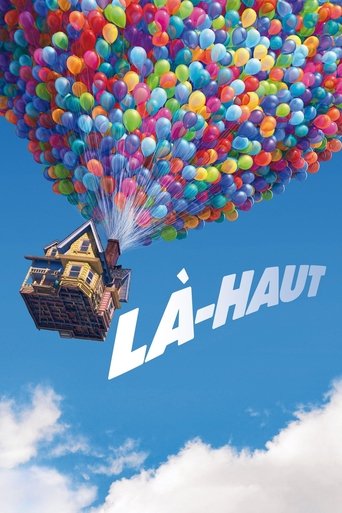
Là-haut 2009
1.85:1 21:9 · Avoid 77% in 21:9 · 52% in 32:9Up is presented at 1.85:1, the usual ratio for Pixar films of that period and tighter than the CinemaScope used for WALL-E or The Incredibles. No sequence was shot in a different format, including in 3D.
-
11

Le Voyage de Chihiro 2001
1.85:1 21:9 · Avoid 77% in 21:9 · 52% in 32:9Like most Studio Ghibli films, Spirited Away is composed and shown in 1.85:1, a widescreen format but less elongated than Hollywood CinemaScope. Home video releases respect this original ratio, with no alternate version.
-
12

Princesse Mononoké 1997
1.85:1 21:9 · Avoid 77% in 21:9 · 52% in 32:9Princess Mononoke shares the 1.85:1 "Vista" format common to Ghibli productions of the 1990s, a choice that favors the legibility of its painterly compositions over the spectacle of scope. The Blu-ray releases keep this single ratio, with no alternate sequences.
-
13
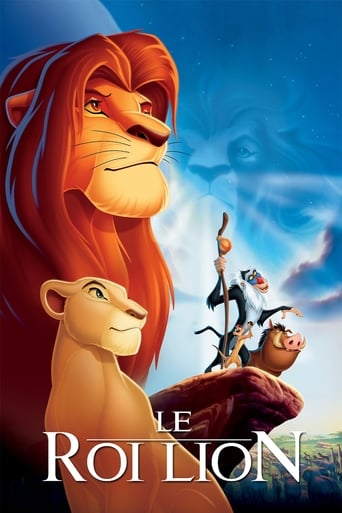
Le Roi Lion 1994
1.85:1 21:9 · Avoid 77% in 21:9 · 52% in 32:9Composed on a 1.66:1 negative but projected theatrically at 1.85:1, The Lion King illustrates the format indecision of the early 1990s. Home video releases (DVD, Blu-ray) ultimately settled on a 1.78:1 compromise, considered truer to the spirit of the wide savanna shots than the strict theatrical crop.
-
14

Jurassic Park 1993
1.85:1 21:9 · Avoid 77% in 21:9 · 52% in 32:9Spielberg chose the spherical 1.85:1 format, more traditional than CinemaScope, for Jurassic Park, shot on 35mm with VistaVision for certain visual effects. The ratio has stayed the same on every home video release, from VHS to 4K Ultra HD.
-
15
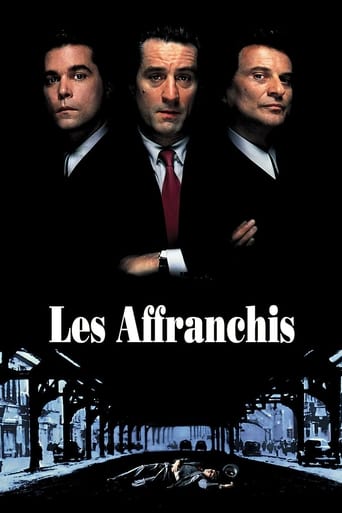
Les Affranchis 1990
1.85:1 21:9 · Avoid 77% in 21:9 · 52% in 32:9Scorsese and cinematographer Michael Ballhaus opted for the spherical 1.85:1 ratio, the American standard, which leaves ample room for the film's virtuoso camera moves. That framing is the same on every DVD, Blu-ray, and 4K release.
-
16
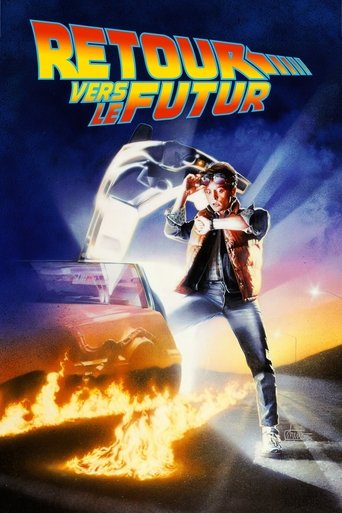
Retour vers le futur 1985
1.85:1 21:9 · Avoid 77% in 21:9 · 52% in 32:9Back to the Future was shot and distributed in 1.85:1, the standard Hollywood format of the 1980s, narrower than CinemaScope. Early television broadcasts cropped the image to full-screen 1.33:1, a practice dropped as of the DVD and Blu-ray releases, which respect the original ratio.
-
17
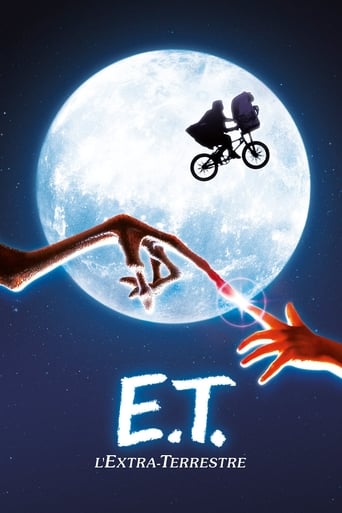
E.T. l'extra-terrestre 1982
1.85:1 21:9 · Avoid 77% in 21:9 · 52% in 32:9E.T. the Extra-Terrestrial was shot and shown theatrically in the standard 1.85:1 format, in line with Spielberg's other Amblin productions of the period.
-
18
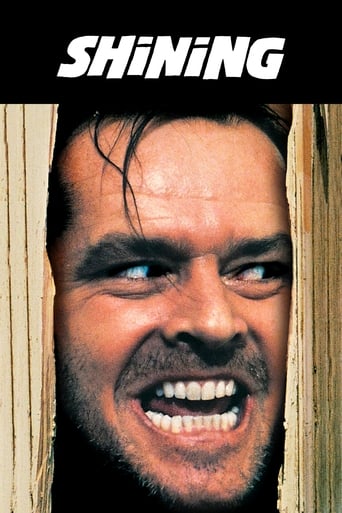
Shining 1980
1.85:1 21:9 · Avoid 77% in 21:9 · 52% in 32:9The American theatrical version and most home video releases present the film at 1.85:1, matted from a full-frame negative. The longer British version circulated at 1.66:1, and the unmatted 1.37:1 Academy negative has fueled decades of debate over the ratio Kubrick actually intended.
-
19
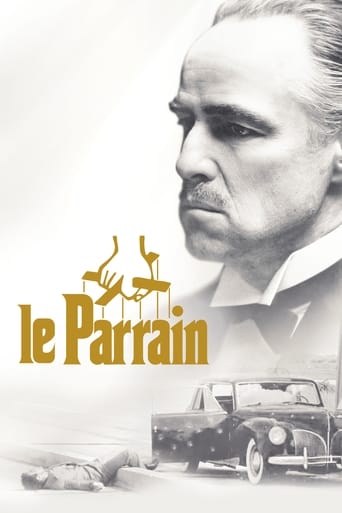
Le Parrain 1972
1.85:1 21:9 · Avoid 77% in 21:9 · 52% in 32:9Shot spherically by Gordon Willis in 1.85:1, the American standard of the era, and kept on every home video release through the 2022 4K restoration. Some original European screenings ran at 1.66:1, but that is not the reference master.
How this list is built
It keeps the movies whose calculated fill rate on a 3440×1440 display stays below 82%, sorted from the tightest frame to the widest. The individual statuses (format support, cutscenes, mod required) are explained on the Method page. Each entry links to its full French page, which carries its sources — English versions are on the way.